It has been awhile since my last update and I thought I would write a little bit about my training back home, these past couple of weeks...
While it was AMAZING to be living and training in the southwestern US, there were a few things missing: training partners, family (like Maddy!), friends and familiarity. When I originally made plans to spend the winter away, I underestimated how important these are to me. The last few weeks I was away I was as lonely as I had ever been. Even though Kirk and Charity were amazing and offered me a comfy room and great food at their house, there really is no place like home.
So, you may wonder what makes Toronto such an AMAZING place to be a professional triathlete? Let me tell you what the highlights of living and training here really are:
1. The University of Toronto Triathlon Club! This group of athletes range from beginners to elites. The camaraderie among the club is amazing. The elites have no problem offering advice to the beginners and the beginners gain an advantage from training with those with more experience. I started out as a beginner in this club in 2008 and look at where it brought me! What I love are the 2 hour swims in the 50m U of T pool, offered 3 times a week with awesome and experienced coaches, who REALLY do care about us athletes. I have found two awesome swimmer mates to push me and the difference it has made in my swimming in two short weeks is very exciting! There are 2 organized outdoor bike rides, 2 organized runs and a brick workout offered each week. As well as unofficial long rides and long runs coordinated by members of the club.
2. The run routes! No matter where in the city you are, you can always find a trail to run on with no stop lights. There are tons of hidden trails through parks and the lakeshore path goes on forever with a beautiful view of the city. Usually there are water fountains and washrooms along the way. So you don't need to worry about bringing fluids with you or what you have to do if you have to pee :) I have lived in almost every part of the city, from North Toronto to the Annex to downtown to the Beach to the west end. I think my favourite run route is through Taylor Creek Park and the Don Valley Trail system.
3. The secret in-city biking! Being a coach with the U of T triathlon club and being a past member of the Morning Glory group meant that I have learned some of the best places to ride right from your doorstep - if you live in Toronto. I have never been an advocate of riding in Toronto and I only recommend it during the early morning hours (when there is enough light out) or other times when traffic is light. The best spots for hill repeats/hard efforts: Ellis Ave (west end/high park), Brimley Hill (east end/scarborough bluffs), through the Bridle Path (North York) and Poplar Plains is OK (for the downtown Torontonians) and the best spots for flat intervals is probably the Direct Energy Center loop (be aware of the stop signs though!) I also have to mention here that it is so important to obey traffic signals and keep your head up for cars and other obstacles when riding in the city.
4. The north of the city biking! The best part about living in Toronto is that on weekends and even weekdays there are always tons of cyclists out on the roads in King City, Aurora, all the way north to Lake Simcoe. There is an unspoken companionship between cyclists and triathletes. Even though you don't know another rider you may pass on the road, you always wave or nod your head to each other to acknowledge and appreciate the other person on the road. I don't know about other riders, but this always helps me to push myself a little bit harder.
5. The indoor cycling possibility! Right now my basement is set up with 2 computrainers, a top of the line treadmill, 2 high powered fans, a stereo system and a flat screen TV. I can ride or run anytime, even when it's thunder storming, rush hour, freezing rain, snowstorms, etc. For those not fortunate to have such a set up, WattsUp Cycling has tons of classes each week, 24 computrainers and 6 sets of rollers. Oh, and even if you do have a trainer at home - but lack the motivation to use it, WattsUp also offers a HomeCycling program, that can help with that problem. The HomeCycling offers 1 to 4 different workouts a week (as part of a 52-week structured program) for you to do on your own trainer.
6. The triathlon/cycling/running/swimming community is SO small! For such a big city, everyone seems to know everyone in the endurance community in some way or another. And everyone is so friendly - willing to lend equipment or advice or introduce you to a knew training partner or find you someone to carpool to races with. And the talent among these athletes is incredibly motivating. It always feels special to be among this part of the Toronto community.
6. My RMTs (Brad and Diego), chiropractor (Bill Wells) and doctors are here! It always helps to know that I can push myself and my body to the limit, when there are people around to fix me/keep me healthy.
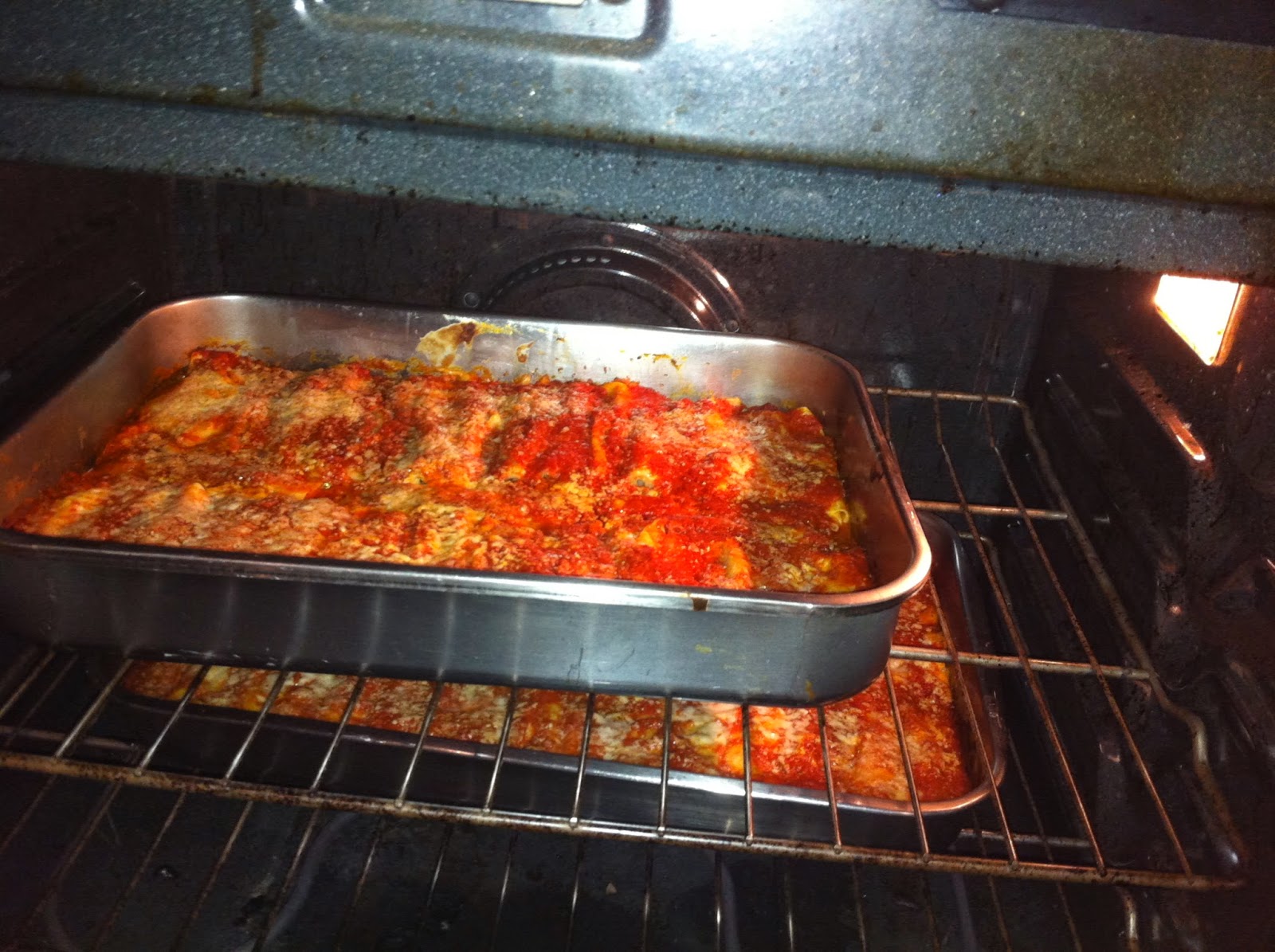
7. The Food. First, my Mamma's cooking is here: lasagna, homemade pizza, pasta with meat sauce, sausages & frico (with or without potato...), etc. Second, the world's best muffins (I think) are here. Anyone who knows me knows that I do not go ONE day without indulging in my favourite food, muffins - preferably chocolate chip. So far, I have not found a place that tops the Pickle Barrel for Chocolate Chip Muffins or Sanremo Bakery.
8. Last, but most important, what makes me love training in Toronto more than anywhere else is my family.
Subscribe to my blog updates here
Wednesday, May 21, 2014
Saturday, May 10, 2014
Ironman 70.3 St George Race Report
I just want to start off by saying that 5 weeks before the race, I wasn't completely sure that I would even be able to compete in Ironman 70.3 St George this year. So, the fact that I did, and completed it injury free is something that I am ecstatic about! It wasn't the performance that I hoped for when I originally added this to my race calendar last year, but sometimes things happen and you have to adjust your goals. Another thing I learned from this race, was that I can't hide from my weakness on this course!
I thought I had gotten pretty used to all the pre-race nerves, as this will be my third year racing in the Pro category, but that wasn't the case before St George. Maybe it was because this race was a bit different, in that I would be racing a stellar field of athletes. On the start list, there were about 12 girls who were either Ironman or Ironman 70.3 champions. That is always a little bit intimidating. Add that to the fact that I knew my run fitness wasn't at the same level as it had been last year and had been feeling quite homesick the past 2 weeks. Perhaps all these factors combined weren't good for a strong mental state. And, despite all the well wishes family and friends, I couldn't find my usual pre-race excitement. Instead, there was just a lot of pre-race worry! That, unfortunately, led to the mindset of: "I just can't wait for it to just be over, so I can get home."
The race started out according to plan. I swam hard at the beginning to get out ahead with the girls and then hung in strong with the pack. There was a bit of confusion on the last loop of the swim, with some girls cutting inside the buoys, when we were clearly told to stay outside of them. I debated whether to follow the rules or stay with the girls and I chose to follow the rules, so perhaps lost a little bit of time on them in the final few hundred metres of the swim. Overall, I was happy with my swim that got me 10th out of the water (I was 11th last year).
It was a long run to our bikes from the swim exit, but that went relatively smoothly. I was out on my bike still in a good position. Within the first couple of km, superstars Mel McQuaid and Linsey Corbin had caught me. I had planned to stay with them, but my power numbers and heart rate were a bit outside my comfort zone so I let them get away. Then, fellow Canadian Angela Naeth, then Sarah Piampiano and Emma Kate passed me shortly after. I did try to keep them in my sight, but I didn't want to risk going out too hard. In the past, like in Florida 70.3 last year and Timberman, I have taken this risk and it turned out well. But, with my run fitness being where it was, I just couldn't do that this time. I maintained that position and biked alone for most of the rest of the race. I found myself quite intimidated by the technical parts of the course. I had never practice them at high speed in training, mostly owing to the fact that it would have been too risky when traffic wasn't being controlled for. Also, I wasn't used to the new wheels I was riding, and, although they were fast, I didn't feel comfortable going fast with them. I did a lot of the fast descents on the uprights and not in aero! I think this cost me some valuable extra minutes. All in all, I maintained a high normalized power, the highest I have ever held over that distance. But the technical nature of the course prevented me from achieving my time goals. Now, at least I know what I have to work on! I finished the bike in 17th (compared to 21st last year).
Now, it was onto the scariest part of the day...the run! I had very little expectations. My longest run had been 13.5 miles and, although I had done lots of hills in training, there was only so much preparation I could do while still ensuring I remained injury free. My knee still gets tight, so I have had to be pretty conservative in my training. I chose to only monitor my heart rate and not pace throughout the run. I kept it around 165bpm for the first half of the course, and even though it was tough, I didn't respond when I was passed. When everything was still feeling good at the 7 mile mark, I pushed the pace and my heart rate a bit. I was still feeling good near the last 3 miles, which I knew were a net downhill. That's when I took off the brakes and just gave it my everything. Unfortunately, I was still passed by 2 girls in the last mile. I held off the others though and finished in 20th. Dropping only 3 spots from last year, given the circumstances, had to be a win for me.
Thank you to everyone who has supported me while I have been away! Especially my sponsors: Turner-Tomenson Wealth Management and Raymond James Financial who made the trip possible, Fitt1st for getting me comfy and aero on my new bike, Bill Wells at Urban Athlete (who cured my injuries), Troy Davis (chiro) and Susan (RMT) in St George for keeping me healthy and able to train, all my equipment sponsors: Quintana Roo, ISM Saddles, Gray wheels, Rudy Project, Karhu Running Shoes, eLoad sports nutrition, IBB Cyclery in Utah, The Bike Zone in Toronto, Swiftwick socks, Suunto (love my multisport GPS watch!), Perfect Fuel Chocolate (best recovery food, ever!), Funkita/Funky Trunks swim wear, SRM for my power, Champion System for the most amazingly comfortable race kit, X-1 Audio for allowing me to train to music!!!
I thought I had gotten pretty used to all the pre-race nerves, as this will be my third year racing in the Pro category, but that wasn't the case before St George. Maybe it was because this race was a bit different, in that I would be racing a stellar field of athletes. On the start list, there were about 12 girls who were either Ironman or Ironman 70.3 champions. That is always a little bit intimidating. Add that to the fact that I knew my run fitness wasn't at the same level as it had been last year and had been feeling quite homesick the past 2 weeks. Perhaps all these factors combined weren't good for a strong mental state. And, despite all the well wishes family and friends, I couldn't find my usual pre-race excitement. Instead, there was just a lot of pre-race worry! That, unfortunately, led to the mindset of: "I just can't wait for it to just be over, so I can get home."
The race started out according to plan. I swam hard at the beginning to get out ahead with the girls and then hung in strong with the pack. There was a bit of confusion on the last loop of the swim, with some girls cutting inside the buoys, when we were clearly told to stay outside of them. I debated whether to follow the rules or stay with the girls and I chose to follow the rules, so perhaps lost a little bit of time on them in the final few hundred metres of the swim. Overall, I was happy with my swim that got me 10th out of the water (I was 11th last year).
It was a long run to our bikes from the swim exit, but that went relatively smoothly. I was out on my bike still in a good position. Within the first couple of km, superstars Mel McQuaid and Linsey Corbin had caught me. I had planned to stay with them, but my power numbers and heart rate were a bit outside my comfort zone so I let them get away. Then, fellow Canadian Angela Naeth, then Sarah Piampiano and Emma Kate passed me shortly after. I did try to keep them in my sight, but I didn't want to risk going out too hard. In the past, like in Florida 70.3 last year and Timberman, I have taken this risk and it turned out well. But, with my run fitness being where it was, I just couldn't do that this time. I maintained that position and biked alone for most of the rest of the race. I found myself quite intimidated by the technical parts of the course. I had never practice them at high speed in training, mostly owing to the fact that it would have been too risky when traffic wasn't being controlled for. Also, I wasn't used to the new wheels I was riding, and, although they were fast, I didn't feel comfortable going fast with them. I did a lot of the fast descents on the uprights and not in aero! I think this cost me some valuable extra minutes. All in all, I maintained a high normalized power, the highest I have ever held over that distance. But the technical nature of the course prevented me from achieving my time goals. Now, at least I know what I have to work on! I finished the bike in 17th (compared to 21st last year).
Now, it was onto the scariest part of the day...the run! I had very little expectations. My longest run had been 13.5 miles and, although I had done lots of hills in training, there was only so much preparation I could do while still ensuring I remained injury free. My knee still gets tight, so I have had to be pretty conservative in my training. I chose to only monitor my heart rate and not pace throughout the run. I kept it around 165bpm for the first half of the course, and even though it was tough, I didn't respond when I was passed. When everything was still feeling good at the 7 mile mark, I pushed the pace and my heart rate a bit. I was still feeling good near the last 3 miles, which I knew were a net downhill. That's when I took off the brakes and just gave it my everything. Unfortunately, I was still passed by 2 girls in the last mile. I held off the others though and finished in 20th. Dropping only 3 spots from last year, given the circumstances, had to be a win for me.
Thank you to everyone who has supported me while I have been away! Especially my sponsors: Turner-Tomenson Wealth Management and Raymond James Financial who made the trip possible, Fitt1st for getting me comfy and aero on my new bike, Bill Wells at Urban Athlete (who cured my injuries), Troy Davis (chiro) and Susan (RMT) in St George for keeping me healthy and able to train, all my equipment sponsors: Quintana Roo, ISM Saddles, Gray wheels, Rudy Project, Karhu Running Shoes, eLoad sports nutrition, IBB Cyclery in Utah, The Bike Zone in Toronto, Swiftwick socks, Suunto (love my multisport GPS watch!), Perfect Fuel Chocolate (best recovery food, ever!), Funkita/Funky Trunks swim wear, SRM for my power, Champion System for the most amazingly comfortable race kit, X-1 Audio for allowing me to train to music!!!
Saturday, April 26, 2014
Recovery days
Do pro triathletes take an "off" day??? I do!!
Does this mean I simply take the day off training and load up with non-triathlon related chores? No, it does not! (Although this wasn't always the case!) And I do witness this behaviour in a lot of athletes. Like I did, they view an off-day as the perfect time to get caught up on anything and everything that they have been putting off while training has been a priority. But this is a HUGE mistake. Even though this is still giving your body a break from physical activity, you aren't actually going to recover properly. This isn't just my philosophy, there is some science behind it to! If you are loading up on non-training related chores, then you are going to be somewhat stressed. And stress is known to cause the release of hormones that actually cause muscles to breakdown. So, this is why I am as lazy as possible on my recovery days!
Here are my top 4 tips to ensure that you are getting the most out of your recovery day:
1. Eat healthy foods. Before or after a workout is the best time to eat simple sugars, but on recovery days, try to limit your consumption of processed and junk foods. Instead, load up on dark green leafy veggies, complex carbs, protein, healthy fats, etc.
2. Relax. Do things that are low-stress and enjoyable. I like to sleep-in, read, watch movies or TV shows, take a PJ day, write a blog post :), grab lunch or coffee with friends (sometimes in my PJs!). If this isn't possible, because of other commitments like work or family - then try to schedule your recovery days so that they coincide with a low-stress work day or on a day when the whole family can relax with you (does that ever happen!?).
3. Actively recover. Do all the things you are supposed to do to promote recovery: wear compression socks (like Swiftwick compression socks!), get a massage or see your chiropractor for an adjustment, drink lots of fluids (water, not beer!), go for a short walk to get the blood flowing in your legs, spend at least 30 to 45 minutes stretching or doing a type of restorative yoga.
4. Get a good night's sleep. When you are sleeping your body produces hormones that help to rebuild the muscles that you have just broken down as part of the training process. Getting enough sleep is probably the most important thing you can do to facilitate recovery. So if you can't do anything else, try to make sleep a priority.
Subscribe to my blog updates here
Does this mean I simply take the day off training and load up with non-triathlon related chores? No, it does not! (Although this wasn't always the case!) And I do witness this behaviour in a lot of athletes. Like I did, they view an off-day as the perfect time to get caught up on anything and everything that they have been putting off while training has been a priority. But this is a HUGE mistake. Even though this is still giving your body a break from physical activity, you aren't actually going to recover properly. This isn't just my philosophy, there is some science behind it to! If you are loading up on non-training related chores, then you are going to be somewhat stressed. And stress is known to cause the release of hormones that actually cause muscles to breakdown. So, this is why I am as lazy as possible on my recovery days!
Here are my top 4 tips to ensure that you are getting the most out of your recovery day:
1. Eat healthy foods. Before or after a workout is the best time to eat simple sugars, but on recovery days, try to limit your consumption of processed and junk foods. Instead, load up on dark green leafy veggies, complex carbs, protein, healthy fats, etc.
2. Relax. Do things that are low-stress and enjoyable. I like to sleep-in, read, watch movies or TV shows, take a PJ day, write a blog post :), grab lunch or coffee with friends (sometimes in my PJs!). If this isn't possible, because of other commitments like work or family - then try to schedule your recovery days so that they coincide with a low-stress work day or on a day when the whole family can relax with you (does that ever happen!?).
3. Actively recover. Do all the things you are supposed to do to promote recovery: wear compression socks (like Swiftwick compression socks!), get a massage or see your chiropractor for an adjustment, drink lots of fluids (water, not beer!), go for a short walk to get the blood flowing in your legs, spend at least 30 to 45 minutes stretching or doing a type of restorative yoga.
4. Get a good night's sleep. When you are sleeping your body produces hormones that help to rebuild the muscles that you have just broken down as part of the training process. Getting enough sleep is probably the most important thing you can do to facilitate recovery. So if you can't do anything else, try to make sleep a priority.
Subscribe to my blog updates here

Wednesday, April 16, 2014
People who inspire me
Lately, with all the hard training that I've been doing, I've had to dig deep. I've had to find inspiration to keep myself going in tough workouts, on long training days and in times of high stress. In order to train to the best of my ability I have found motivation in the qualities of others. Who are the people that inspire me?
1. Other athletes. These athletes are of all ages and abilities, beginners to elites and kids to adults. Anyone who has gotten off the couch to train. For some people it's harder to be an athlete than others. Those are the people who race to finish. Then there are those who have a natural talent for sports. Those are the people who race to win. Everyone who is an athlete has their own story, and all of them are inspiring.
2. People who are genuinely kind. These are the people that do favours for you, without expecting anything in return. The people that go out of their way to help you for no apparent reason, but to be nice. This could be another athlete competing in the same race as you, who cheers you on while they, too, are fatigued. This could be the person who returns your cell phone after you've dropped it in the parking lot. A lot of the people who have opened their homes to me, when I am in a city to race or train would fall into this category. In general, kindness inspires me to be a better person.
3. People who have it rough. We all know the type. The person who, seemingly, has to overcome endless obstacles in order to succeed. It could be the athlete who keeps getting injured or sick, but pulls through it and still races. The athletes with prosthetic limbs who STILL compete. The person who went through so many of life's struggles, but managed to find happiness in the end. My life seems so easy compared to many others and people who don't have it so easy, but still achieve their goals, inspire me.
4. People who are real. I have spent my whole life trying to fit in, so I always notice those people who stand out. These people are true individuals. They don't hide their imperfections, they don't hide their flaws. Somehow, they can sometimes manage to turn their inadequacies into their strengths, because it's those same inadequacies that make them unique.
5. My sisters. I am the oldest of 3, but sometimes I feel like the baby. I am constantly looking up to my sisters. One of my sisters is 2 years younger than me. She is one of the most optimistic people I know. She knows she excels in situations that she is comfortable in, but she doesn't know how well she does in situations that are new and quite unknown to her. She was on the podium in her second ever triathlon. She embraced her pregnancy and the few months that have followed and not complained once. She has been the definition of a "natural mum". Her positivism and attitude are qualities that greatly inspire. My other sister is a goal getter. When she sets her sights on something, she gets it done. Unlike me, she is better at weighing the pros and cons of the outcome of her decisions before making them. She won't set her sights on achieving something unless she has a very detailed plan in place. A very admirable quality. There's no wonder she has been so successful working in the financial industry.
Subscribe to my blog updates here
1. Other athletes. These athletes are of all ages and abilities, beginners to elites and kids to adults. Anyone who has gotten off the couch to train. For some people it's harder to be an athlete than others. Those are the people who race to finish. Then there are those who have a natural talent for sports. Those are the people who race to win. Everyone who is an athlete has their own story, and all of them are inspiring.
2. People who are genuinely kind. These are the people that do favours for you, without expecting anything in return. The people that go out of their way to help you for no apparent reason, but to be nice. This could be another athlete competing in the same race as you, who cheers you on while they, too, are fatigued. This could be the person who returns your cell phone after you've dropped it in the parking lot. A lot of the people who have opened their homes to me, when I am in a city to race or train would fall into this category. In general, kindness inspires me to be a better person.
3. People who have it rough. We all know the type. The person who, seemingly, has to overcome endless obstacles in order to succeed. It could be the athlete who keeps getting injured or sick, but pulls through it and still races. The athletes with prosthetic limbs who STILL compete. The person who went through so many of life's struggles, but managed to find happiness in the end. My life seems so easy compared to many others and people who don't have it so easy, but still achieve their goals, inspire me.
4. People who are real. I have spent my whole life trying to fit in, so I always notice those people who stand out. These people are true individuals. They don't hide their imperfections, they don't hide their flaws. Somehow, they can sometimes manage to turn their inadequacies into their strengths, because it's those same inadequacies that make them unique.
5. My sisters. I am the oldest of 3, but sometimes I feel like the baby. I am constantly looking up to my sisters. One of my sisters is 2 years younger than me. She is one of the most optimistic people I know. She knows she excels in situations that she is comfortable in, but she doesn't know how well she does in situations that are new and quite unknown to her. She was on the podium in her second ever triathlon. She embraced her pregnancy and the few months that have followed and not complained once. She has been the definition of a "natural mum". Her positivism and attitude are qualities that greatly inspire. My other sister is a goal getter. When she sets her sights on something, she gets it done. Unlike me, she is better at weighing the pros and cons of the outcome of her decisions before making them. She won't set her sights on achieving something unless she has a very detailed plan in place. A very admirable quality. There's no wonder she has been so successful working in the financial industry.
Subscribe to my blog updates here
Sunday, April 13, 2014
What have I been up to?
After another rocky start to my triathlon season, I think that I may have finally found my groove! So, what have I been up to in the past few months?
Well, here's the short version:
I've been swimming...
I've been biking here...
and here...
I've been running...
I've been eating...
I've been recovering...
I've gotten presents...
I've had visitors...
I've seen cacti...
And here's the longer (but not too long) version:
I have been in the southwestern US now for about 5 of 8 weeks. I escaped the Toronto winter at the beginning of March to train in Arizona and Utah. I am so lucky that I have my coaching, my parents and my sponsors, which allow me to actually get away to train somewhere warm for this long.
The first 3 weeks I got to spend in Arizona. I swam with the University of Arizona Masters team almost every morning. I met some awesome, nice, super-fast swimmers there. No doubt my swimming got a huge boost of fitness from having such a great group to train with. I also did A LOT of biking...up Mount Lemmon, through the Catalina Foothills, along the Old Spanish Trail, through Saguaro Canyon. It was absolutely amazing. My running even started to come around as I escaped the treadmill and ventured outside in the Arizona heat and wind and even tackled some real hills! It wasn't all hard work - my mum was with me for the duration of my time there and my dad joined us the last week. Even a fellow triathlete, Faye, and her fiancee, Marty came and spent a few days! After about 80 hours of training in the Arizona desert I was ready for a rest week and to venture north to Utah. I dropped my parents off at the Phoenix airport and we said our goodbyes. Then I was on the highway, driving through the Hoover Dam, past Vegas and headed north on the I-15 to St. George.
My first week in St. George was an easy week. I settled back in, did some short swims, bikes and runs to keep the legs moving, but mostly I just relaxed and recovered. My second week here, this past week, was when the real training began again! I got re-aquainted with the St. George bike and run course - wow, are there ever a lot of hills! I met some cows who looked scary, but were pretty harmless. Had some good sets in the pool. Brought my run fitness a little closer to where it was pre-injury. All in all, a good week! The next two weeks I will be repeating this past week of training, only each week gets a little bit harder. Then I will have an easy week before I race in the US 70.3 Pro Championships :) After being inspired by fellow pro triathletes who have already started racing, I am getting excited to compete again!
Subscribe to my blog updates here
I've been swimming...
I've been biking here...
and here...
I've been running...
I've been eating...
I've been recovering...
I've gotten presents...
I've had visitors...
I've seen cacti...
And here's the longer (but not too long) version:
I have been in the southwestern US now for about 5 of 8 weeks. I escaped the Toronto winter at the beginning of March to train in Arizona and Utah. I am so lucky that I have my coaching, my parents and my sponsors, which allow me to actually get away to train somewhere warm for this long.
The first 3 weeks I got to spend in Arizona. I swam with the University of Arizona Masters team almost every morning. I met some awesome, nice, super-fast swimmers there. No doubt my swimming got a huge boost of fitness from having such a great group to train with. I also did A LOT of biking...up Mount Lemmon, through the Catalina Foothills, along the Old Spanish Trail, through Saguaro Canyon. It was absolutely amazing. My running even started to come around as I escaped the treadmill and ventured outside in the Arizona heat and wind and even tackled some real hills! It wasn't all hard work - my mum was with me for the duration of my time there and my dad joined us the last week. Even a fellow triathlete, Faye, and her fiancee, Marty came and spent a few days! After about 80 hours of training in the Arizona desert I was ready for a rest week and to venture north to Utah. I dropped my parents off at the Phoenix airport and we said our goodbyes. Then I was on the highway, driving through the Hoover Dam, past Vegas and headed north on the I-15 to St. George.
My first week in St. George was an easy week. I settled back in, did some short swims, bikes and runs to keep the legs moving, but mostly I just relaxed and recovered. My second week here, this past week, was when the real training began again! I got re-aquainted with the St. George bike and run course - wow, are there ever a lot of hills! I met some cows who looked scary, but were pretty harmless. Had some good sets in the pool. Brought my run fitness a little closer to where it was pre-injury. All in all, a good week! The next two weeks I will be repeating this past week of training, only each week gets a little bit harder. Then I will have an easy week before I race in the US 70.3 Pro Championships :) After being inspired by fellow pro triathletes who have already started racing, I am getting excited to compete again!
Subscribe to my blog updates here
Tuesday, March 25, 2014
Triathlon is about more than swimming, biking and running.
In my years of competing in triathlon I have accumulated a lot of knowledge about the sport. My main conclusions are that triathloning is about more than swimming, biking and running - and many people are unaware of that. So, this post is meant for you: the aspiring triathlete, the beginner triathlete, the triathlete who's goal it is to win their age group or the triathlete who is thinking about turning pro.
My advice for triathletes (beyond the swim, bike and run):
1) Have patience. This is difficult to hear for any endurance athlete, as the goal is typically to complete a given distance in the fastest time possible. However, there is that phrase, "slow down to speed up" and that is very relevant to triathlon. For example, there is no point in increasing your speed or volume, if you don't have proper technique. It very commonly leads to injury. (More on this topic to be published in a book later this year. Stay tuned!)
2) Pay attention to detail. Know the course you are going to be competing on (including the transition area), it helps you enjoy the race more. Ensure that your bike fits, ensure that you are both aerodynamic and comfortable so that you don't lose "free speed", ensure that your bike is properly tuned up (tires get worn out, bike chains get stretched, cables can break or stretch and bolts can get loose or rusty), ensure you plan and practice proper nutrition, ensure you have used all your equipment before the race.
3) Don't practice until you get it right, practice until you can't get it wrong. Race day is full of additional stressors and the added anxiety makes you more likely to make mistakes. However, if you have practiced enough, this is less likely to happen on race day. For example, ensure that you can run after a race pace bike session, make sure you can sight while swimming at race pace, practice your transitions, and even...practice that bottle exchange, over and over!
4) Train your weaknesses, first. You may be a fantastic cyclists, but a weak swimmer. You may have great speed, but no endurance. So don't emphasize the cycling in your training and keep all your workouts short and fast. Focus on what needs work, even though it might not be as much fun.
5) Rest and recovery days don't just mean no swimming, biking or running. Unfortunately, "off training" days don't mean you get to load up on chores, eat lots of junk food, indulge in a few too many beers or glasses of wine. Your recovery days are actually more important than your training days in some respects. Your body is repairing and rebuilding during this time, so that you can benefit from your hard sessions and be ready for the next block of training. So what you do and what you eat actually matters just as much (or more) as on a training day. Eat simple sugars before, during or right after a big training session, but on your off days: Stay off your feet, get a massage, try to eat healthy food loaded with vitamins and minerals, hydrate on water. (Sorry if this isn't what you wanted to hear!)
6) Proper nutrition is key. This is more important for the longer races. Plan out your nutrition before a training session or longer workout. Practice your race day nutrition in a race simulation workout. For help figuring this out, see eLoad's nutrition calculator here. Also important is to eat enough carbohydrates the day or few days (for racing) before. This will ensure you have enough fuel to get you through that training session or race, and that you will be able to perform to your full potential.
7) Don't overtrain. Have a few key workouts per week or per training block (less is more if you have a busy schedule - remember what I said about recovery?). The remaining workouts should be low key, or have different goals. An easier/aerobic run (compared to running your guts out at race pace) is not lost training time, it is time to work on technique, to test out new running gear. Frequency improves economy (the energy it takes to perform a given task) and is better for injury prevention, so opt for more frequent sessions (even if many of them are easier or shorter) over a few longer sessions.
Subscribe to my blog updates here
My advice for triathletes (beyond the swim, bike and run):
1) Have patience. This is difficult to hear for any endurance athlete, as the goal is typically to complete a given distance in the fastest time possible. However, there is that phrase, "slow down to speed up" and that is very relevant to triathlon. For example, there is no point in increasing your speed or volume, if you don't have proper technique. It very commonly leads to injury. (More on this topic to be published in a book later this year. Stay tuned!)
2) Pay attention to detail. Know the course you are going to be competing on (including the transition area), it helps you enjoy the race more. Ensure that your bike fits, ensure that you are both aerodynamic and comfortable so that you don't lose "free speed", ensure that your bike is properly tuned up (tires get worn out, bike chains get stretched, cables can break or stretch and bolts can get loose or rusty), ensure you plan and practice proper nutrition, ensure you have used all your equipment before the race.
3) Don't practice until you get it right, practice until you can't get it wrong. Race day is full of additional stressors and the added anxiety makes you more likely to make mistakes. However, if you have practiced enough, this is less likely to happen on race day. For example, ensure that you can run after a race pace bike session, make sure you can sight while swimming at race pace, practice your transitions, and even...practice that bottle exchange, over and over!
4) Train your weaknesses, first. You may be a fantastic cyclists, but a weak swimmer. You may have great speed, but no endurance. So don't emphasize the cycling in your training and keep all your workouts short and fast. Focus on what needs work, even though it might not be as much fun.
5) Rest and recovery days don't just mean no swimming, biking or running. Unfortunately, "off training" days don't mean you get to load up on chores, eat lots of junk food, indulge in a few too many beers or glasses of wine. Your recovery days are actually more important than your training days in some respects. Your body is repairing and rebuilding during this time, so that you can benefit from your hard sessions and be ready for the next block of training. So what you do and what you eat actually matters just as much (or more) as on a training day. Eat simple sugars before, during or right after a big training session, but on your off days: Stay off your feet, get a massage, try to eat healthy food loaded with vitamins and minerals, hydrate on water. (Sorry if this isn't what you wanted to hear!)
6) Proper nutrition is key. This is more important for the longer races. Plan out your nutrition before a training session or longer workout. Practice your race day nutrition in a race simulation workout. For help figuring this out, see eLoad's nutrition calculator here. Also important is to eat enough carbohydrates the day or few days (for racing) before. This will ensure you have enough fuel to get you through that training session or race, and that you will be able to perform to your full potential.
7) Don't overtrain. Have a few key workouts per week or per training block (less is more if you have a busy schedule - remember what I said about recovery?). The remaining workouts should be low key, or have different goals. An easier/aerobic run (compared to running your guts out at race pace) is not lost training time, it is time to work on technique, to test out new running gear. Frequency improves economy (the energy it takes to perform a given task) and is better for injury prevention, so opt for more frequent sessions (even if many of them are easier or shorter) over a few longer sessions.
Subscribe to my blog updates here
Saturday, March 15, 2014
New bike for a new season!
While I was training in California, a few special deliveries arrived for me in Toronto. Among them was my new SRM and Rotor 3D+ cranks, QXL rings and ... my new Quintana Roo Tri bike! It was like Christmas in February :) And I was SO excited. However, I did not trust myself to get the bike set up perfectly. so I turned to my support network: The Bike Zone to do the mechanical work and Scott Judges, at Fitt1st, to do the fit.
I dropped my bike off at The Bike Zone (located at 734 Dundas St East) for them to assemble it. I couldn't believe how many bikes and accessories they have there. If you are looking for anything cycling related - you are going to be able to find it there. They have everything from road, mountain, tri and commuter bikes...and tons of gear and other accessories. And super quick service! My bike was all assembled and ready for pick up by the following day.
The next thing to do was pay Scott Judges a visit at his bike fitting studio. I knew I could count on him to get me as aero as possible on my new bike, without compromising my comfort. A new bike geometry on the Quintana Roo meant I couldn't just simply set up the bike identically to my old bike, so this was necessary. Being on the QR meant I was graduating from 650c to 700c wheels! Now, I am not against 650c wheels at all, but I was definitely at a disadvantage if I ever had a flat tire or an issue with my wheels - especially during a race. Not to mention the fact that they don't even make trainer tires for 650c wheels. So I am happy to say that I've graduated to 700c wheels :) However, with this change meant that it would be hard for me to get in the same aggressive position as I was in before. Hard, but not impossible! Scott was able to change up my stem, adjust the headset and get me into the same position as before.
I have ridden my QR now about a half a dozen times. On the computrainer to start - given the freezing cold temperatures and snowstorms I didn't have much of a choice! But, now, since being in Arizona I have been able to ride it on the roads as well. A few things that differentiate it from other bikes that I have been on are:
1) A more comfy ride. Scott at Fitt1st says that the fact that the front fork is a bit more curved - so the fork offset is greater - helps to give the bike better shock absorption and stability. I hate riding on poorly paved roads so this was very exciting news! And cycling in Tucson (anyone ever ridden on Tanque Verde?) has really put this statement to the test. The verdict - it's true - the ride is definitely smoother! This will definitely help me when I race on courses like that in St. George and Steelhead, which can have some very bumpy roads.
2) SHIFT Technology. This is what Quintano Roo bikes are known for. They have an 18mm shift in their downtube that direct air away from the drivetrain to minimize drag. Have you ever gone from riding the bullhorns to riding the aerobars and feel like you were instantly propelled forward?! Well, as soon as I get aero on my QR - that's exactly what I feel. And take a look at the bike from front on - you can barely see it!
3) Di2 Electronic Shifting! The Quintana Roo is able to support electronic shifting, which has been just amazing. Being able to shift easily from the bullhorns while climbing a steep grade, is probably the highlight. Not to mention the precision and speed at which the bike can shift. What a nice change!
4) It just looks FAST! Black and grey with an orange stripe! Nothing is more intimidating in the transition area than a bike that looks SUPER quick. Who says winning in triathlon doesn't have a mental component to it? :)
I am also happy to report that my first set of 2 minute Supra-Maximal Sustained Power intervals were a good 30W higher than last year. Co-incidence? Better bike fitness? Or better bike? Hmmm...
**Special thank you to Joe and Chris at Enduro Sport for helping me with some last minute adjustments on the bike before I left for the US. Their expertise is top notch. And to Peter Karmaszin for naming the bike Carlos!
I dropped my bike off at The Bike Zone (located at 734 Dundas St East) for them to assemble it. I couldn't believe how many bikes and accessories they have there. If you are looking for anything cycling related - you are going to be able to find it there. They have everything from road, mountain, tri and commuter bikes...and tons of gear and other accessories. And super quick service! My bike was all assembled and ready for pick up by the following day.
The next thing to do was pay Scott Judges a visit at his bike fitting studio. I knew I could count on him to get me as aero as possible on my new bike, without compromising my comfort. A new bike geometry on the Quintana Roo meant I couldn't just simply set up the bike identically to my old bike, so this was necessary. Being on the QR meant I was graduating from 650c to 700c wheels! Now, I am not against 650c wheels at all, but I was definitely at a disadvantage if I ever had a flat tire or an issue with my wheels - especially during a race. Not to mention the fact that they don't even make trainer tires for 650c wheels. So I am happy to say that I've graduated to 700c wheels :) However, with this change meant that it would be hard for me to get in the same aggressive position as I was in before. Hard, but not impossible! Scott was able to change up my stem, adjust the headset and get me into the same position as before.
I have ridden my QR now about a half a dozen times. On the computrainer to start - given the freezing cold temperatures and snowstorms I didn't have much of a choice! But, now, since being in Arizona I have been able to ride it on the roads as well. A few things that differentiate it from other bikes that I have been on are:
1) A more comfy ride. Scott at Fitt1st says that the fact that the front fork is a bit more curved - so the fork offset is greater - helps to give the bike better shock absorption and stability. I hate riding on poorly paved roads so this was very exciting news! And cycling in Tucson (anyone ever ridden on Tanque Verde?) has really put this statement to the test. The verdict - it's true - the ride is definitely smoother! This will definitely help me when I race on courses like that in St. George and Steelhead, which can have some very bumpy roads.
2) SHIFT Technology. This is what Quintano Roo bikes are known for. They have an 18mm shift in their downtube that direct air away from the drivetrain to minimize drag. Have you ever gone from riding the bullhorns to riding the aerobars and feel like you were instantly propelled forward?! Well, as soon as I get aero on my QR - that's exactly what I feel. And take a look at the bike from front on - you can barely see it!
3) Di2 Electronic Shifting! The Quintana Roo is able to support electronic shifting, which has been just amazing. Being able to shift easily from the bullhorns while climbing a steep grade, is probably the highlight. Not to mention the precision and speed at which the bike can shift. What a nice change!
4) It just looks FAST! Black and grey with an orange stripe! Nothing is more intimidating in the transition area than a bike that looks SUPER quick. Who says winning in triathlon doesn't have a mental component to it? :)
I am also happy to report that my first set of 2 minute Supra-Maximal Sustained Power intervals were a good 30W higher than last year. Co-incidence? Better bike fitness? Or better bike? Hmmm...
**Special thank you to Joe and Chris at Enduro Sport for helping me with some last minute adjustments on the bike before I left for the US. Their expertise is top notch. And to Peter Karmaszin for naming the bike Carlos!
Subscribe to:
Posts (Atom)


